
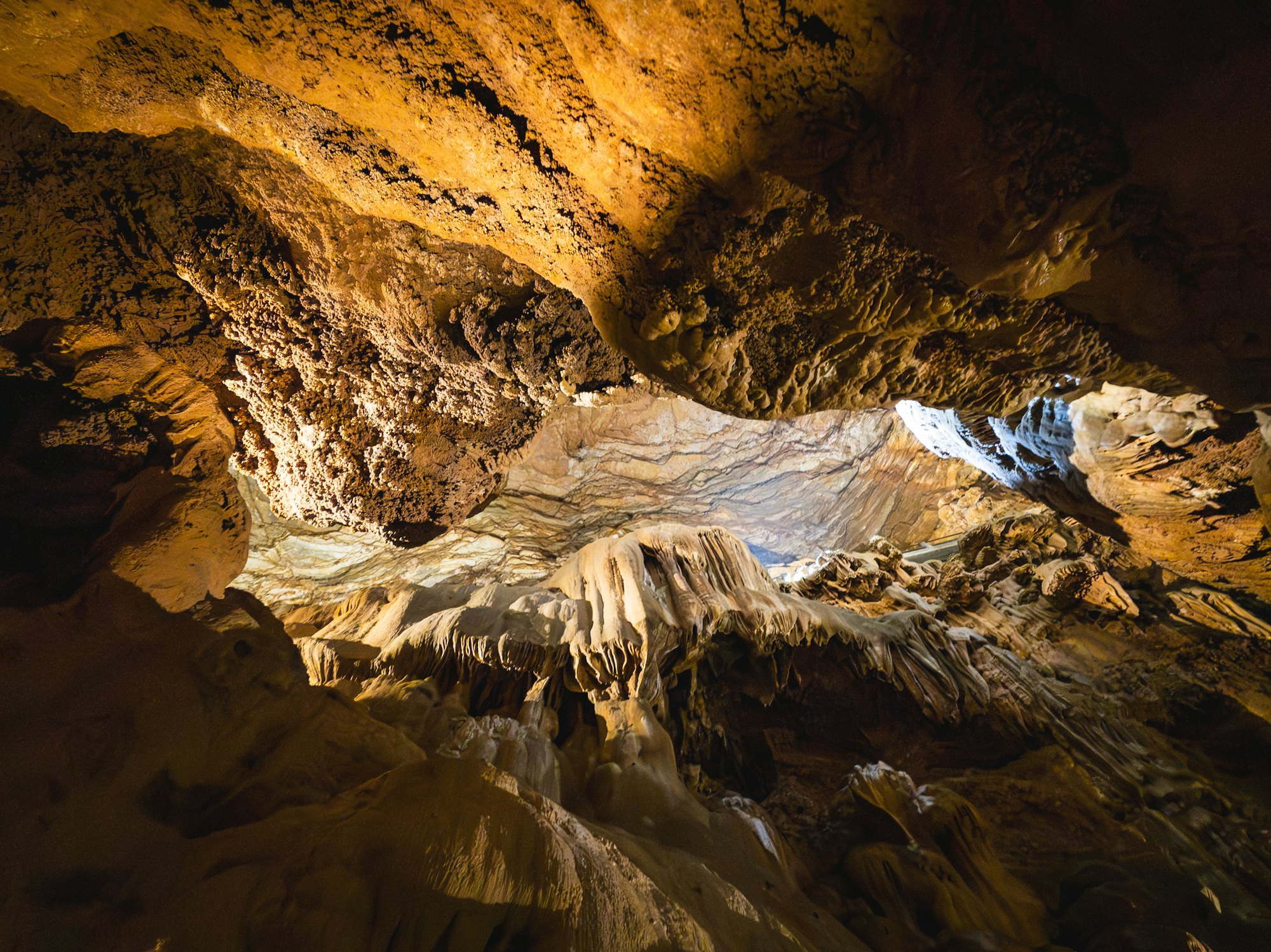
Exploring the Depths: the Caves and Chasms of the Périgord Noir
19 places · 13.3 to 116 km from the villa
Photo MrDuck Tail · Unsplash
The Périgord Noir is home to underground treasures: its caves and chasms. Among them, the Lascaux caves feature remarkable prehistoric cave paintings. The Rouffignac cave offers a train ride to discover fascinating cave art. The Gouffre de Padirac enchants with its navigable underground river and impressive geological formations. These sites offer a captivating journey through time and nature, revealing the hidden wonders of the Périgord Noir's prehistoric past.
-
Domme Cave
Domme · 13.3 km from the villa
Stalactites and stalagmites, the result of thousands of years of geological evolution
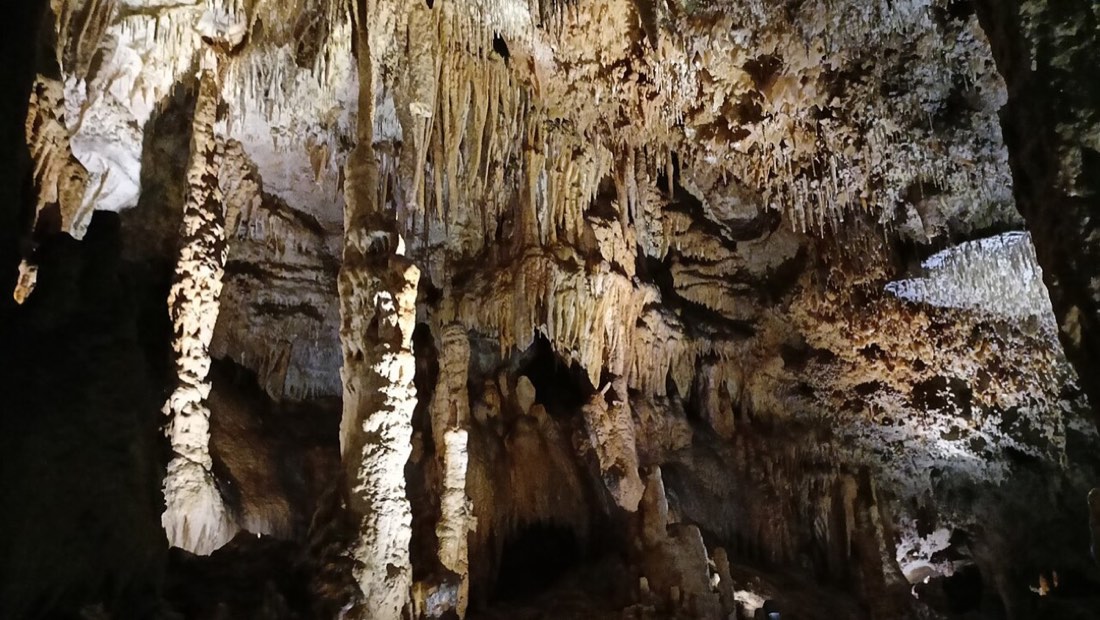
Photo Renhour48 · CC0 · Wikimedia Commons The Domme cave, in Domme in the Dordogne, France, is a remarkable natural and historic site. Set in the limestone cliffs overlooking the Dordogne valley, it offers a unique underground experience. Visitors can admire a variety of geological formations such as stalactites and stalagmites, the result of thousands of years of geological evolution. Used as a shelter by local people over the centuries, the Domme cave also has historic importance. Guided tours let visitors explore the cave and learn more about its geology and history, for a captivating immersion in the natural and cultural wonders of the region.
Opening times (new tab) -
Roc de Cazelle
Les Eyzies · 16 km from the villa
Set in the limestone cliffs: rock shelters, troglodyte dwellings and cave paintings
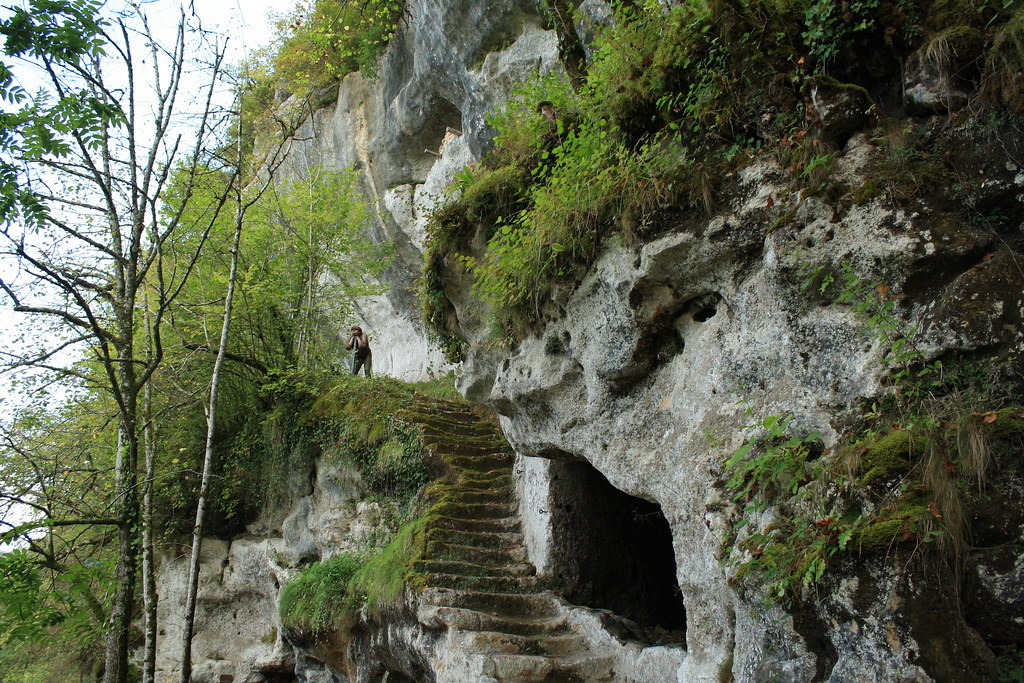
Photo orange74 · CC BY-SA 2.0 · Flickr The caves of the Roc de Cazelle, discovered in 1863 in the Dordogne, France, offer a fascinating insight into prehistoric life. Set in the limestone cliffs, they shelter rock shelters, troglodyte dwellings and cave paintings dating from the Upper Palaeolithic. Visitors can explore these remains on guided tours, discovering the way of life and the art of prehistoric people. The caves of the Roc de Cazelle offer a captivating immersion in our distant past, shedding light on our understanding of human history.
Opening times (new tab) -
Combarelles Cave
Les Eyzies · 17.7 km from the villa
The enigmatic engravings of the Combarelles
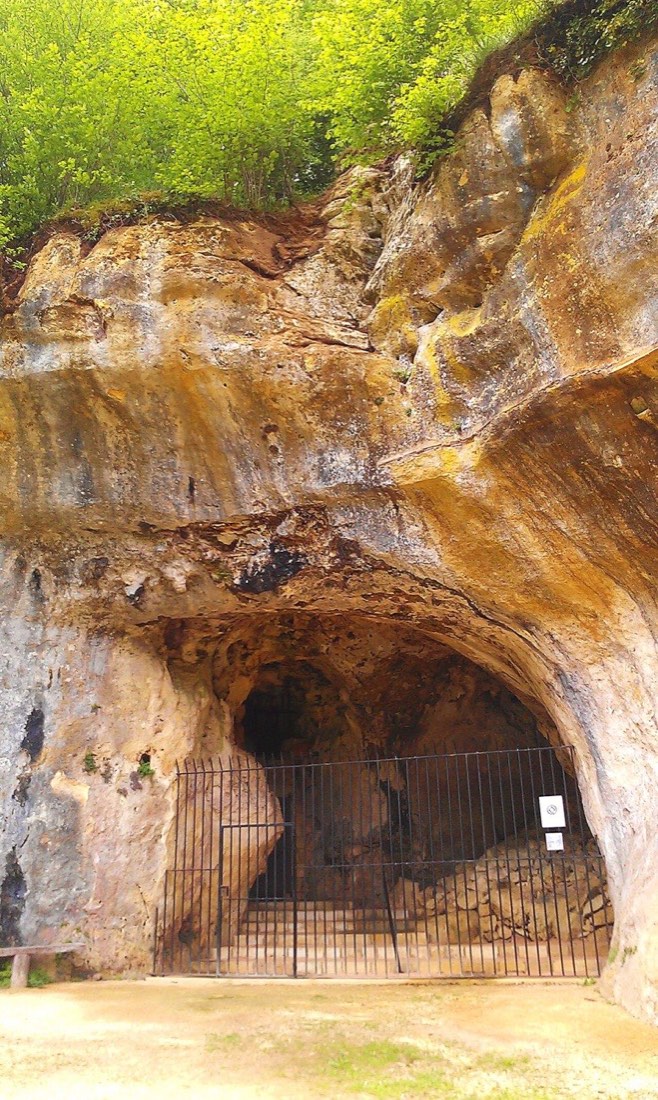
Photo Ethan Doyle White · CC BY-SA 3.0 · Wikimedia Commons The Combarelles caves, in the Vézère valley in the Dordogne, France, contain rock engravings from the Upper Palaeolithic, around 12,000 years ago. The engravings mainly depict animals and human figures and are remarkable for their density and excellent state of preservation. Visitors can discover these prehistoric works of art on guided tours, for a captivating immersion in the creativity of the first human artists. The Combarelles caves are a precious testimony to the history of art and to the ingenuity of prehistoric peoples.
Opening times (new tab) -
Font-de-Gaume Cave
Les Eyzies · 19.3 km from the villa
Famous for its cave paintings from the Upper Palaeolithic
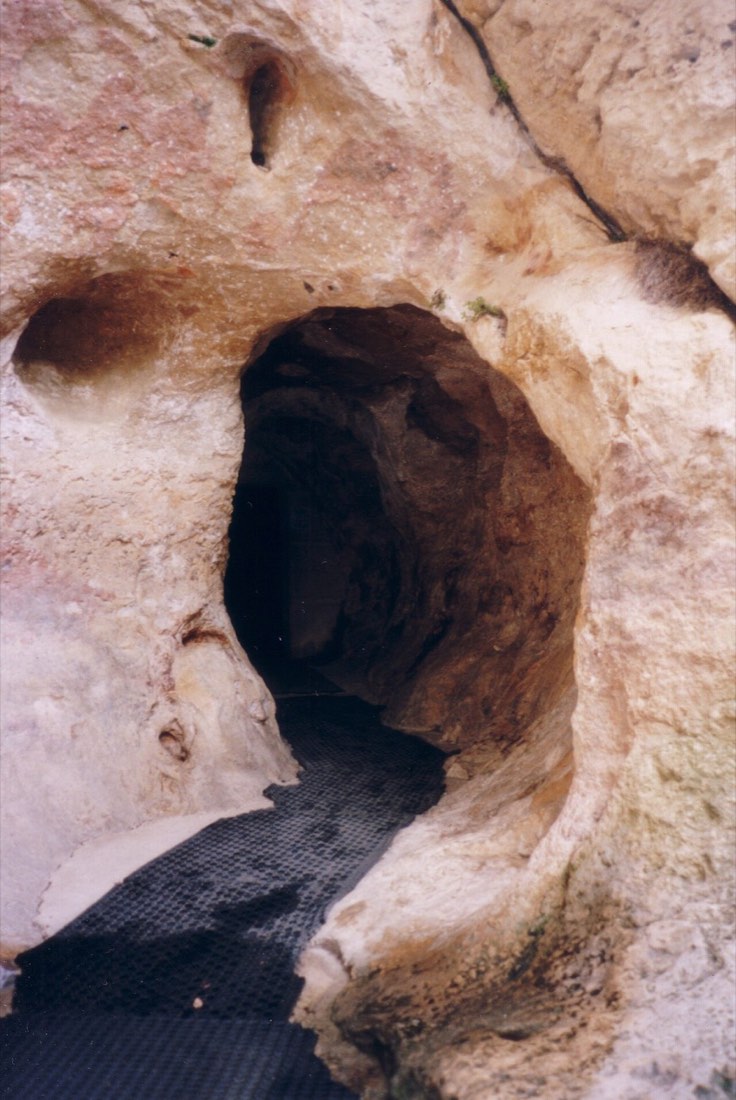
Photo Traumrune · CC BY-SA 3.0 · Wikimedia Commons The Font-de-Gaume cave, in the Dordogne, France, is a prehistoric site renowned for its exceptionally well-preserved cave paintings from the Upper Palaeolithic, around 17,000 years ago. The paintings mainly depict animals such as bison, mammoths and horses, and stand out for their artistic quality and fine detail. Because of its fragility, access to the cave is limited, but for those lucky enough to visit, Font-de-Gaume offers an immersive and unforgettable experience of prehistoric art.
Opening times (new tab) -
Grand Roc Cave
Les Eyzies · 22.9 km from the villa
Spectacular geological formations
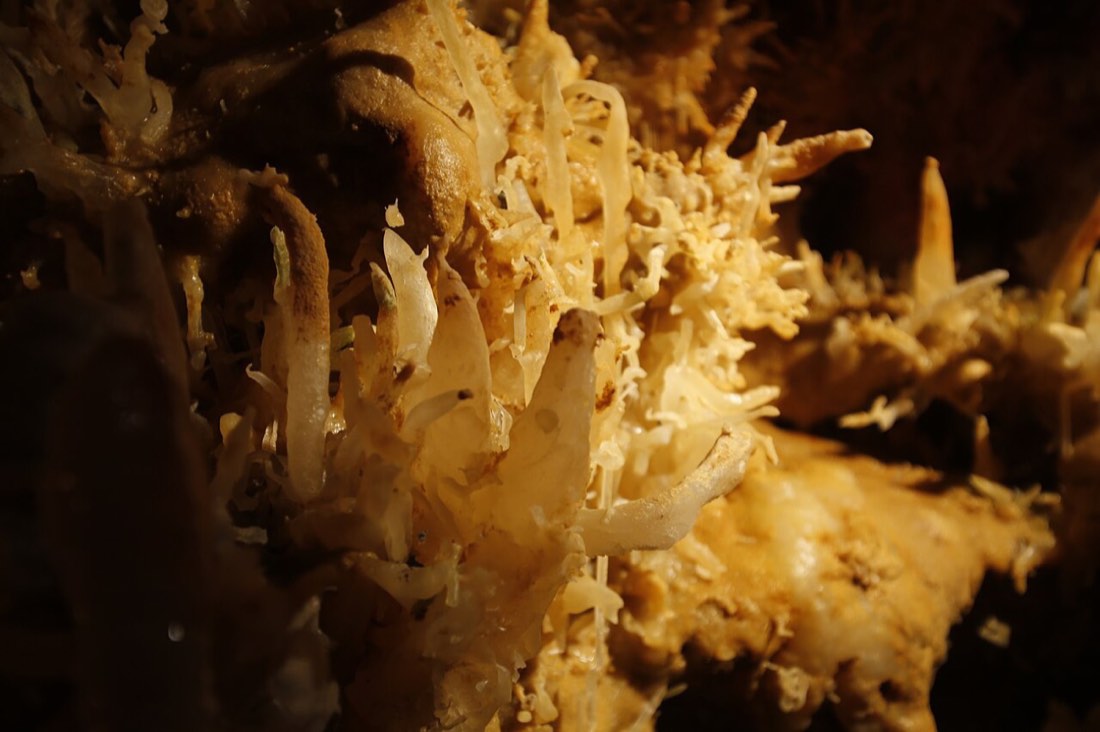
Photo Pymouss · CC BY-SA 3.0 · Wikimedia Commons The Grand Roc cave, in the Dordogne, France, is an exceptional natural site known for its spectacular geological formations. Inside, visitors can admire a multitude of stalactites and stalagmites shaped over thousands of years. This journey into the depths of the Earth is a captivating and educational experience that highlights the beauty and fragility of our underground environment.
Opening times (new tab) -
Cougnac Caves
Payrignac · 24.1 km from the villa
Set in limestone cliffs, a complex network of underground galleries
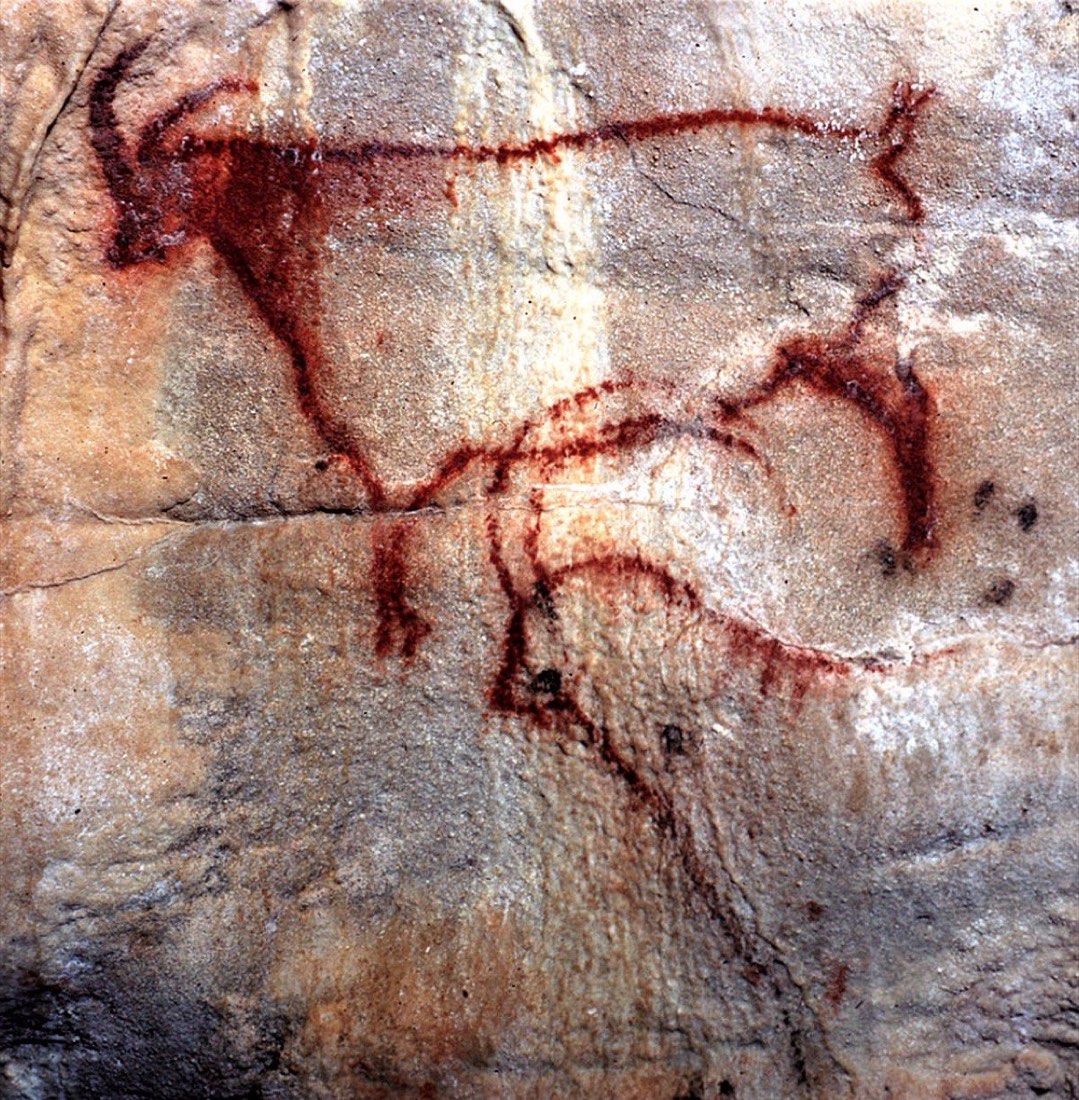
Photo Photo: Don Hitchcock, donsmaps.com · CC BY-SA 4.0 · Wikimedia Commons The Cougnac caves, in the Lot in France, are a remarkable geological and archaeological site. Set in limestone cliffs, they form a complex network of underground galleries adorned with spectacular stalactites and stalagmites. The caves also contain prehistoric cave paintings, evidence of ancient human presence. As well as their cultural importance, the caves are a vital habitat for several species of bats. The visit is a fascinating experience, taking visitors into the depths of the Earth and back to a distant time when people lived alongside the wild.
Opening times (new tab) -
Lascaux Caves
Montignac-Lascaux · 26.5 km from the villa
Precious witnesses of prehistory
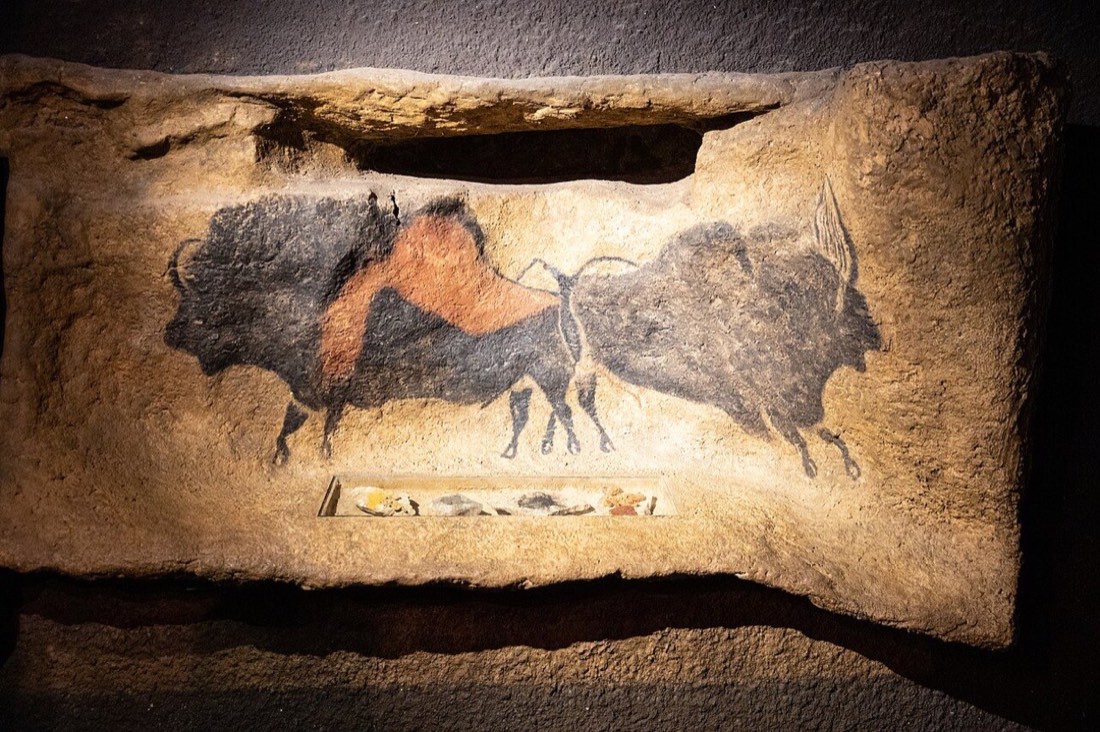
Photo Elke Wetzig (User:Elya) · CC BY-SA 4.0 · Wikimedia Commons The Lascaux caves, near Montignac in France, are a prehistoric treasure. Discovered in 1940, they contain cave paintings more than 17,000 years old, depicting animals such as bison, horses and deer. These prehistoric works of art, of great artistic quality, have become world-famous. Although the original caves are now closed to the public, a faithful reproduction, Lascaux II, lets visitors discover them in all their splendour.
Opening times (new tab) -
Grotte du Sorcier
Saint-Cirq · 27.8 km from the villa
Exploring ancient times: the cave paintings of the Grotte du Sorcier
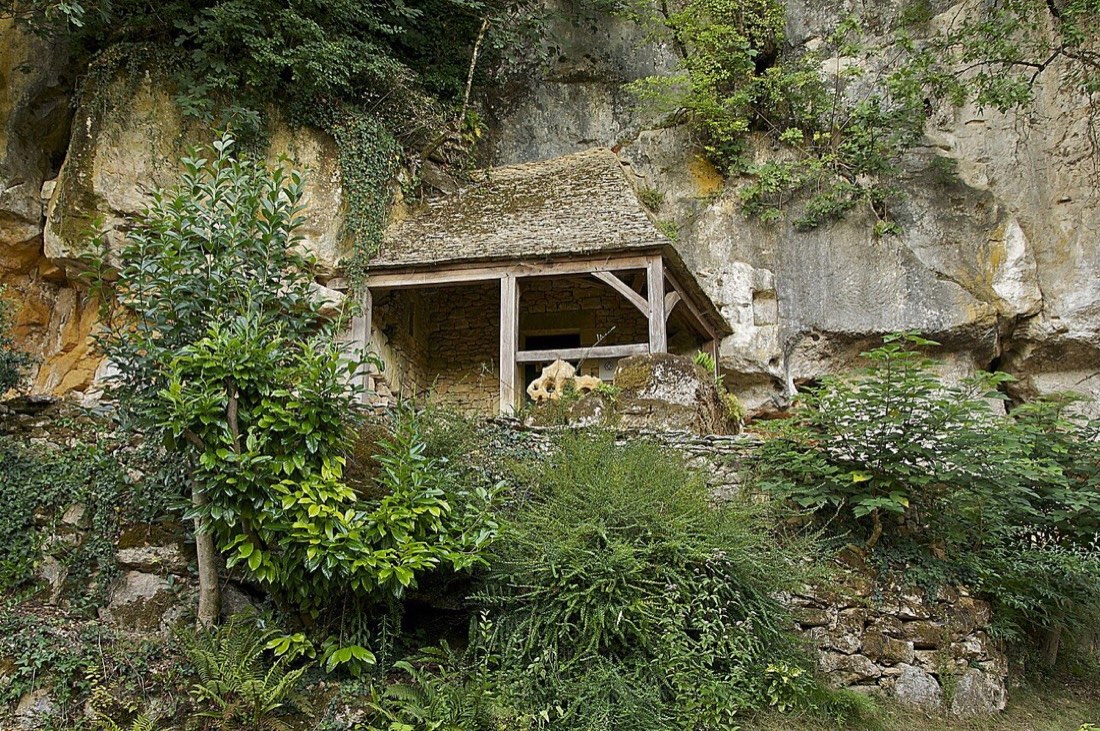
Photo Jebulon · CC0 · Wikimedia Commons The Grotte du Sorcier, in the Vézère valley in the Dordogne, France, is a prehistoric site renowned for its cave paintings from the Upper Palaeolithic, around 15,000 years ago. The paintings mainly depict animals and human figures, with exceptional artistic quality and a remarkable state of preservation. Guided tours let visitors explore these prehistoric works of art, for a fascinating immersion in the creativity of the first human artists. The Grotte du Sorcier is a precious testimony to prehistoric art and culture.
Opening times (new tab) -
Bara-Bahau Caves
Le Bugue · 31 km from the villa
The sanctuary of the bear
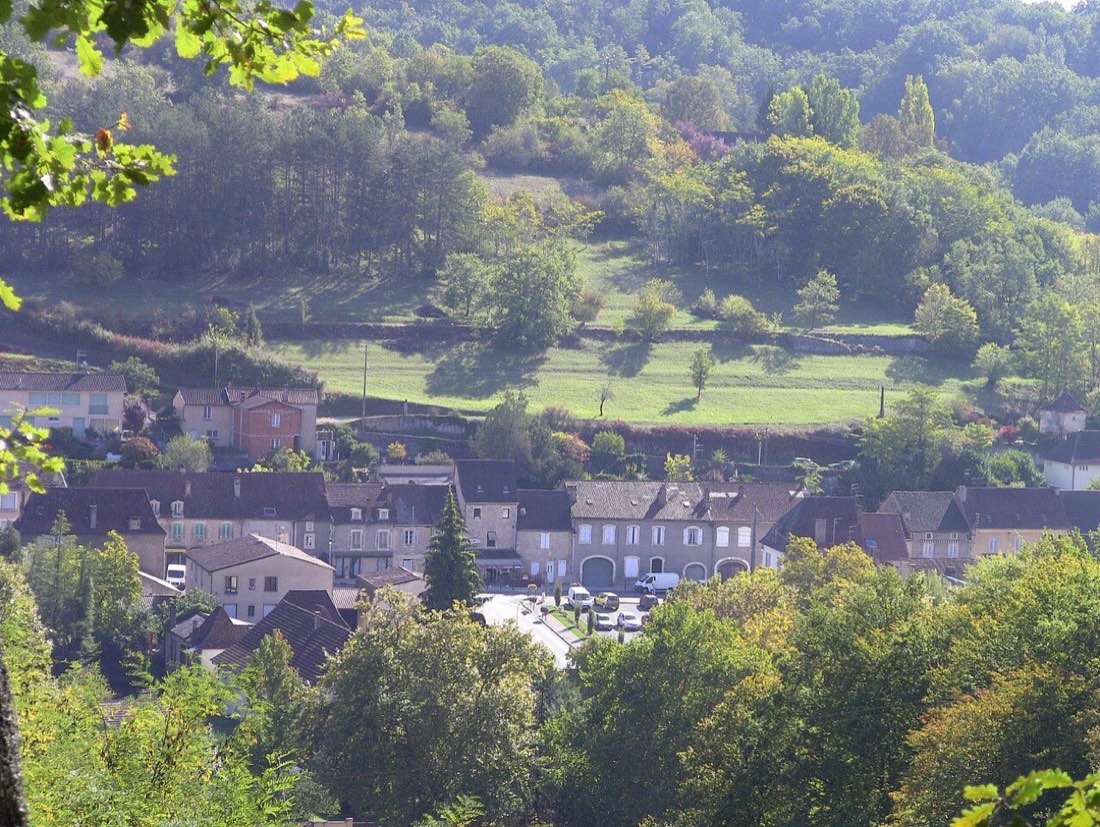
Photo Sylvain Le Breton · CC BY 3.0 · Wikimedia Commons The Bara-Bahau caves, in the Dordogne, France, are a remarkable blend of natural beauty and prehistoric history. They feature an impressive variety of rock formations such as stalactites and stalagmites, creating a breathtaking underground landscape. Their historic importance is underlined by archaeological finds showing prehistoric human occupation. Today, the Bara-Bahau caves offer visitors a unique opportunity to discover both the natural splendour and the fascinating past of the region.
Opening times (new tab) -
Maxange Caves
Le Buisson-de-Cadouin · 32.3 km from the villa
An immersive underground exploration into a magical, mysterious world
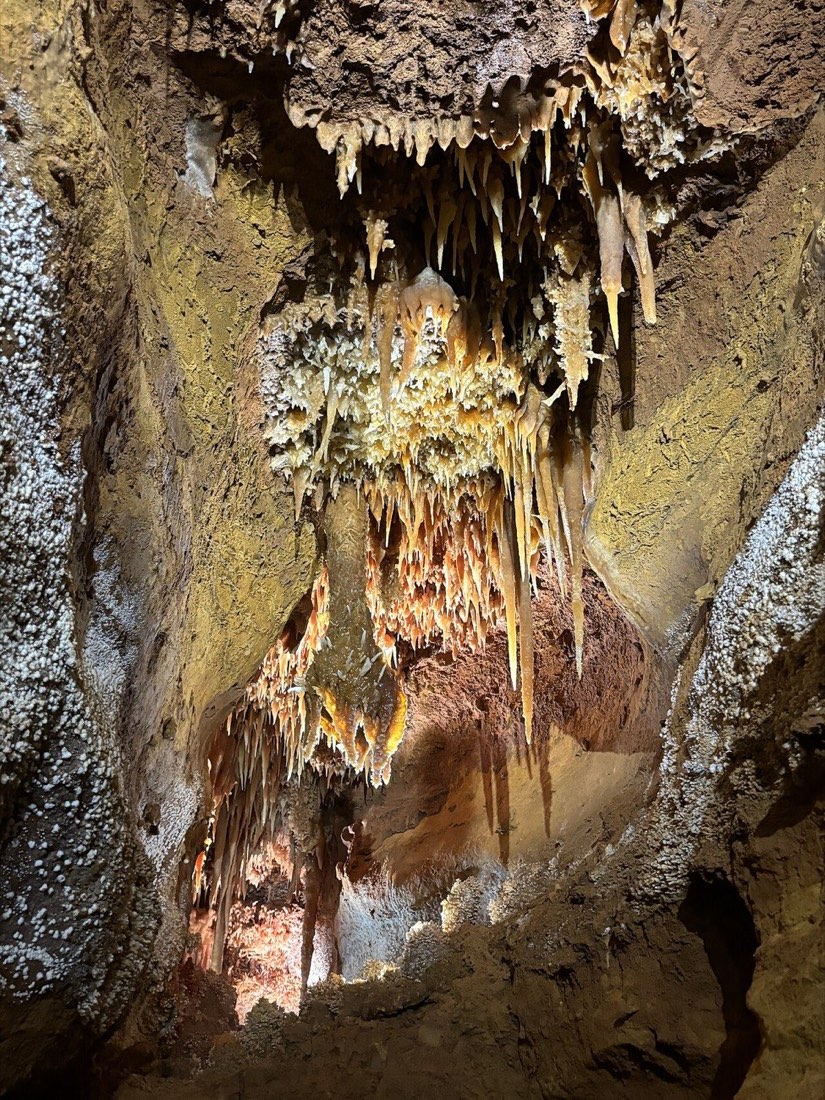
Photo ESC0601 · CC BY 4.0 · Wikimedia Commons The Maxange caves, in Le Buisson-de-Cadouin in the Dordogne, France, are a true geological treasure discovered in 2000. They stand out for their spectacular crystal formations, including draperies, stalactites and stalagmites, all sparkling in the light. Their most remarkable feature is the abundance of aragonite, a rare mineral that gives the formations an exceptional brilliance. Guided tours offer an immersive exploration of these underground wonders, plunging visitors into a magical, mysterious world.
Opening times (new tab) -
Gouffre de Proumeyssac
Audrix · 34.7 km from the villa
A journey to the heart of the crystal cathedral
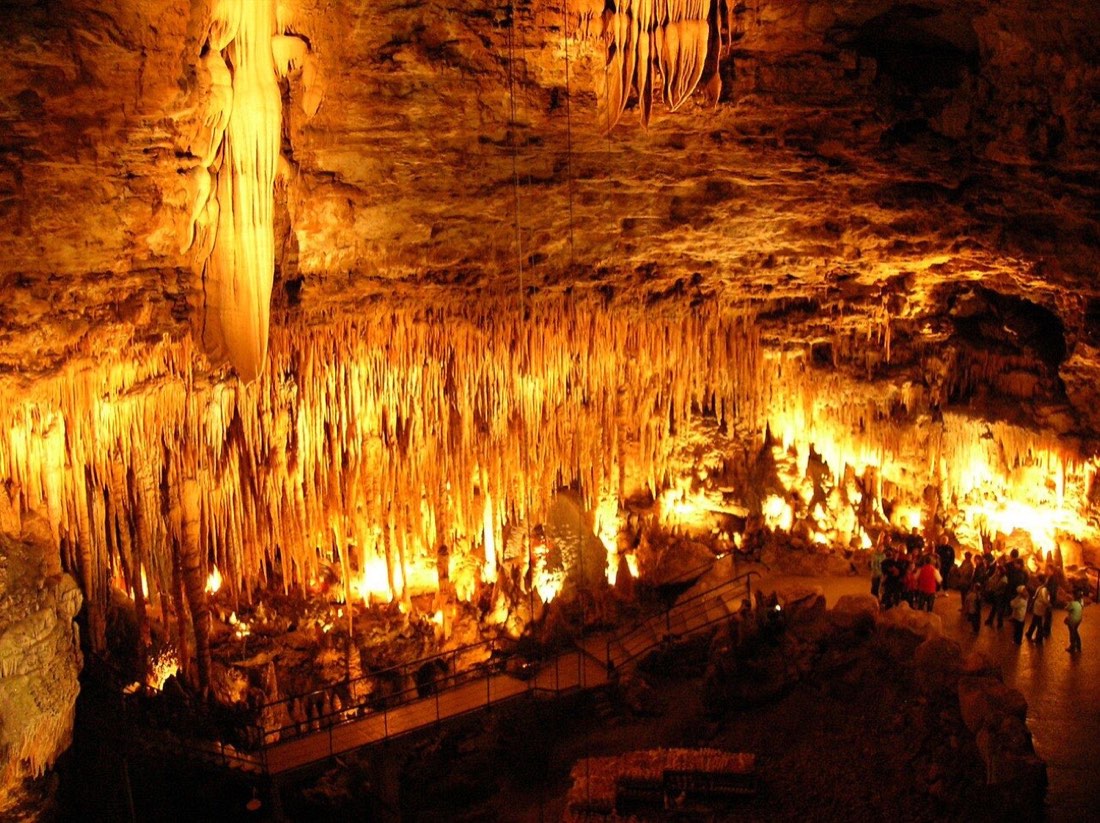
Photo TwoWings · Public domain · Wikimedia Commons The Gouffre de Proumeyssac, near Le Bugue in the Dordogne, France, is a fascinating geological wonder. Also nicknamed the “Crystal Cathedral”, this chasm offers visitors a unique experience. Descending into its depths in a lift, visitors discover a spectacular display of stalactites and stalagmites. Subtle lighting highlights the calcite formations, creating a magical, spellbinding atmosphere. The visit comes with an audio commentary telling the geological story of the chasm and the surrounding region. The Gouffre de Proumeyssac is a must for anyone wishing to discover the underground wonders of the Dordogne.
Opening times (new tab) -
Rouffignac Cave
Rouffignac · 37.9 km from the villa
A unique experience for lovers of prehistoric art and history
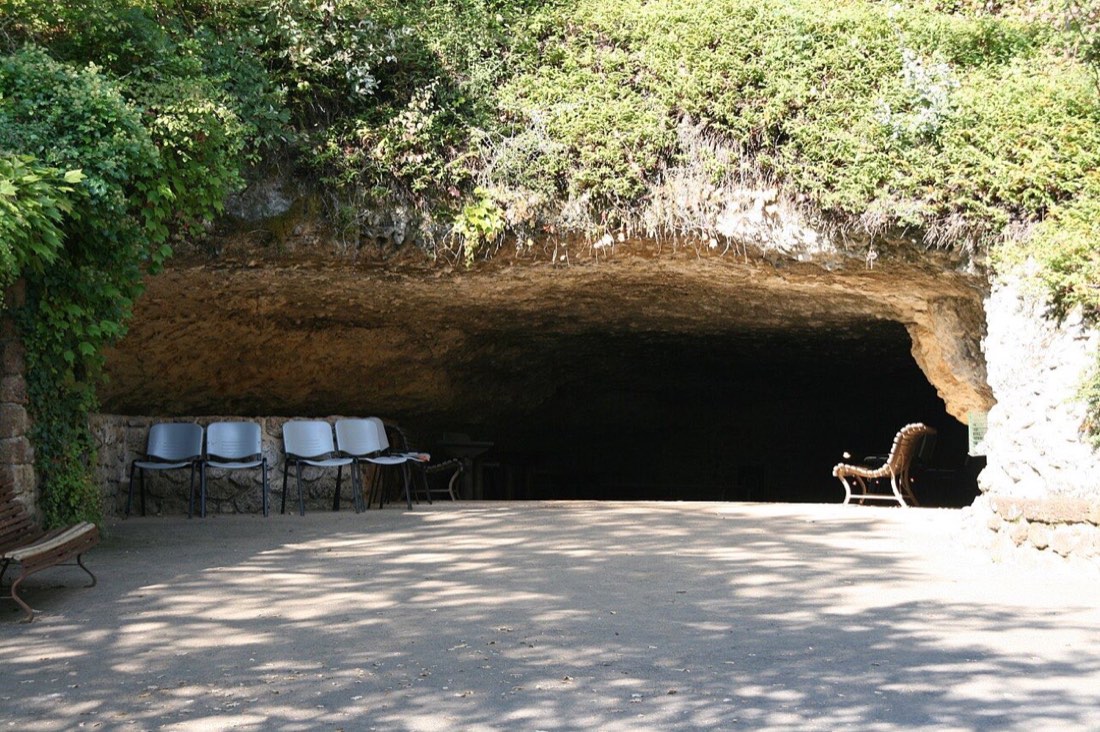
Photo Sémhur · CC BY-SA 4.0 · Wikimedia Commons The Rouffignac cave, in the Dordogne, France, is a prehistoric site renowned for its cave paintings and engravings from the Upper Palaeolithic, depicting prehistoric animals. What sets it apart is its “electric train”, which lets visitors travel easily through the galleries. An exceptional witness to the past, Rouffignac offers a unique experience for lovers of prehistoric art and history.
Opening times (new tab) -
Lacave Caves
Lacave · 40.3 km from the villa
Discover the Organ Hall, with its huge calcite columns
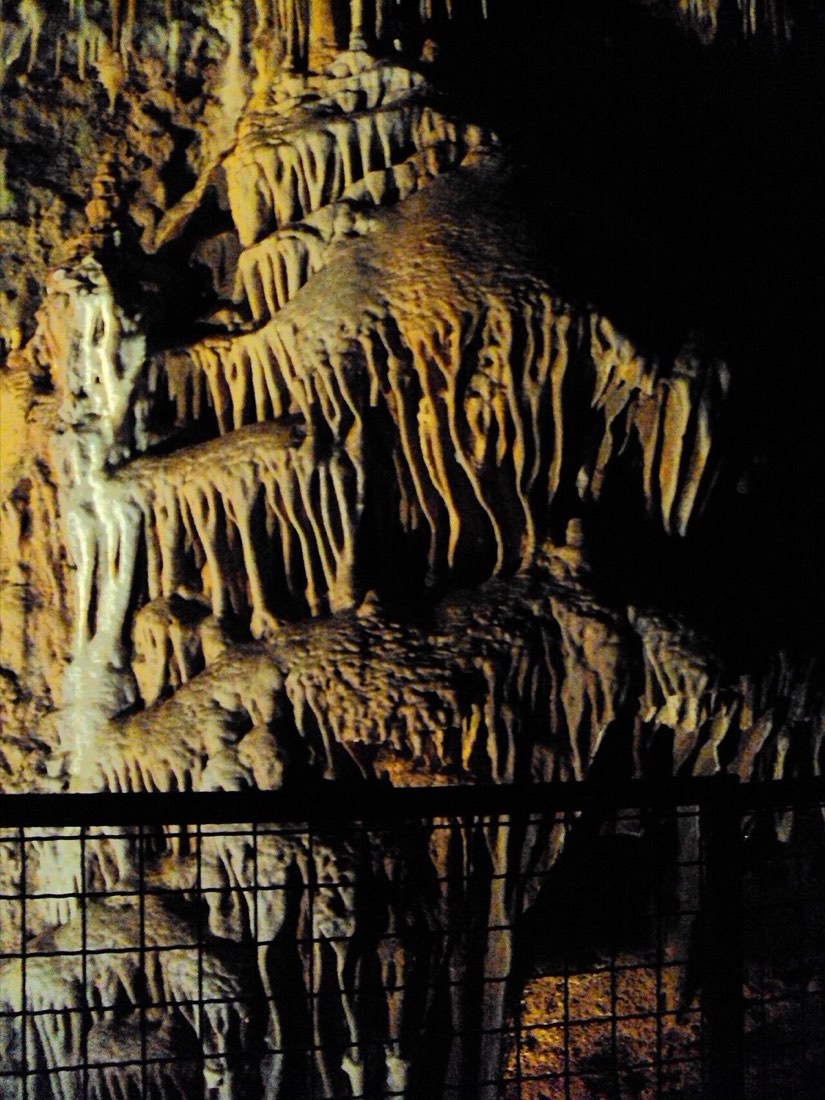
Photo Blood Destructor · CC BY-SA 3.0 · Wikimedia Commons The Lacave caves, in the Dordogne valley in France, offer a fascinating underground adventure. Sculpted by water and time, they contain spectacular mineral formations such as stalactites, stalagmites and calcite columns. The visit takes you through a network of galleries where every corner reveals new natural wonders. The Organ Hall, with its huge calcite columns, is a highlight of the visit. The underground lakes add crystal-clear reflections to the magic of the experience. The Lacave caves are a reminder of the beauty and fragility of nature, inviting visitors to explore and protect the Earth's hidden treasures.
Opening times (new tab) -
Carbonnières Cave
Lacave · 42.5 km from the villa
Discovered in 1908, with remarkable geological formations
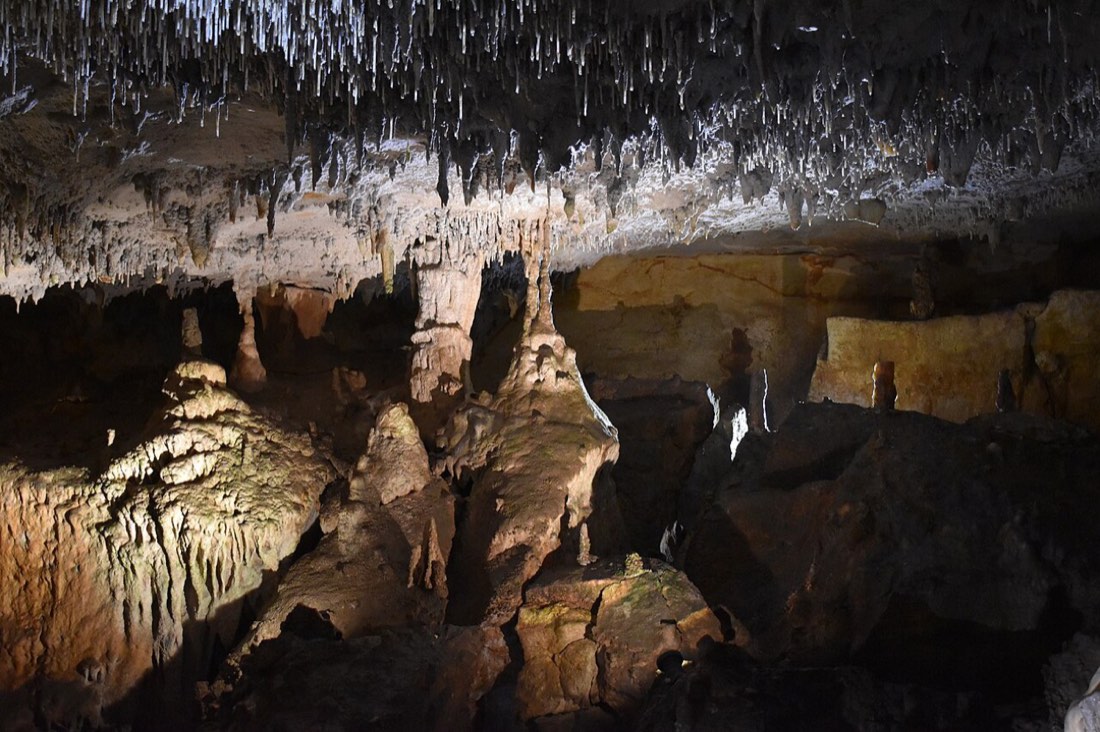
Photo Tylwyth Eldar · CC BY-SA 4.0 · Wikimedia Commons The Carbonnières cave, in the Lot region of France, is a natural and historic site of great importance. Discovered in 1908, it features remarkable geological formations such as stalactites and stalagmites, the result of thousands of years of erosion. What makes it particularly special is its history: used as a shelter since prehistoric times, it holds traces of this ancient human occupation, including cave paintings and prehistoric tools. Guided tours let visitors explore these remains and learn more about the history of the region. The Carbonnières cave is a must for lovers of nature and history.
Opening times (new tab) -
Grotte des Merveilles
Rocamadour · 49.2 km from the villa
Discovered in the early 20th century: spectacular mineral formations and prehistoric cave paintings more than 30,000 years old
The Grotte des Merveilles, in Rocamadour in the Lot, France, is an exceptional geological and archaeological site. Discovered in the early 20th century, it contains spectacular mineral formations and prehistoric cave paintings more than 30,000 years old. These paintings, depicting animals and scenes of everyday prehistoric life, offer a precious glimpse into the creativity and spirituality of the region's first inhabitants. The cave is also a refuge for colonies of bats, underlining the importance of its preservation. A visit to the Grotte des Merveilles is an unforgettable experience, plunging visitors into the mysteries of the Earth and of our distant past.
Opening times (new tab) -
Tourtoirac Caves
Tourtoirac · 57.1 km from the villa
Rich in archaeological remains, evidence of prehistoric human occupation of the region
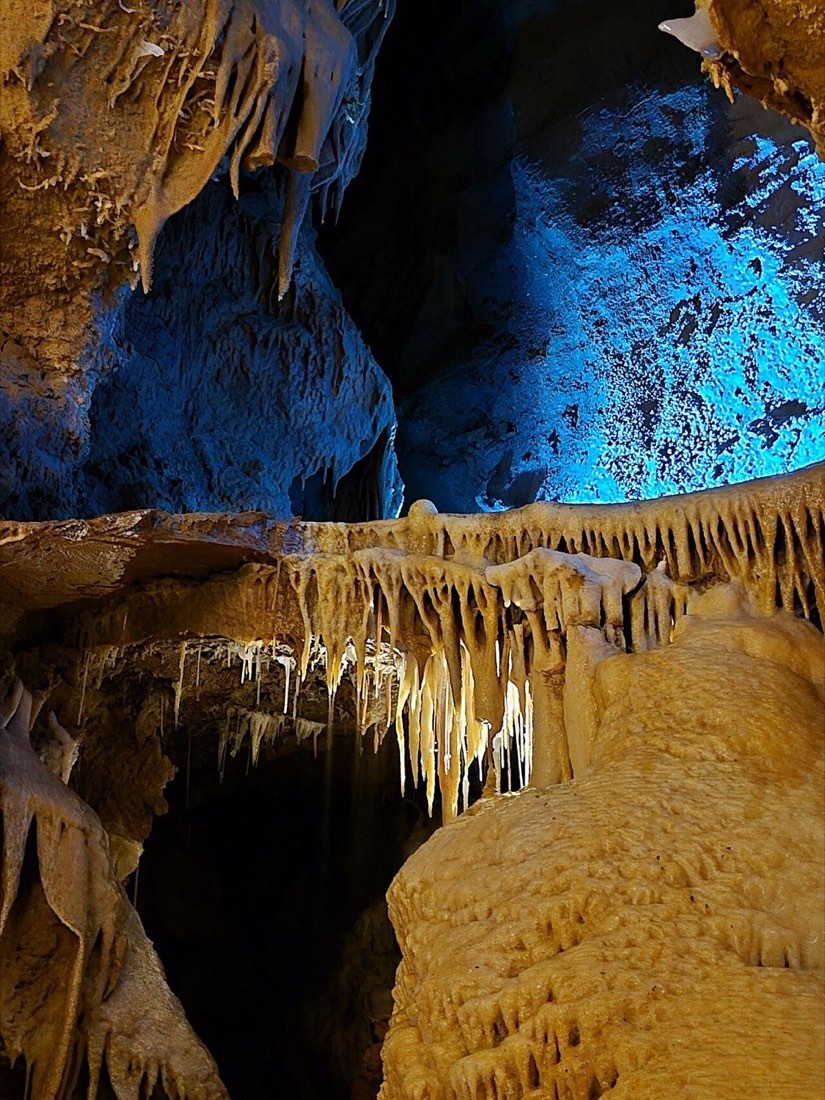
Photo Mith · CC BY-SA 3.0 · Wikimedia Commons The Tourtoirac caves, discovered in 1995 in the Dordogne, France, offer a fascinating immersion in a spectacular underground world. They contain an impressive variety of geological formations, such as stalactites, stalagmites, columns and draperies, as well as petrified waterfalls. As well as their natural beauty, the caves are rich in archaeological remains, evidence of prehistoric human occupation of the region. Guided tours let visitors explore these underground wonders safely while learning more about their geological formation and prehistoric history. The Tourtoirac caves are a must for lovers of nature and history in search of hidden treasures.
Opening times (new tab) -
Gouffre de Padirac
Padirac · 58.2 km from the villa
A boat trip on the underground river is an unforgettable experience
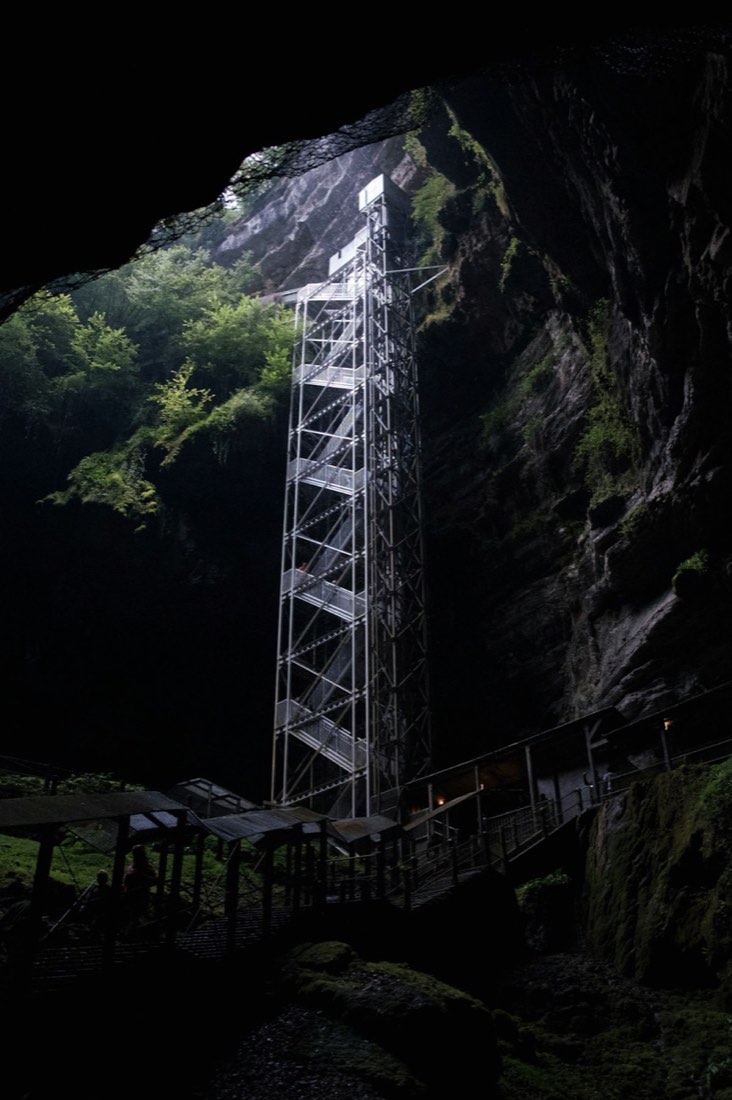
Photo Sies Kranen · Unsplash The Gouffre de Padirac, in the Lot in France, is a spectacular geological formation shaped by the underground river of Padirac. The site offers a unique exploration through a network of galleries and chambers adorned with magnificent rock formations such as stalactites and stalagmites. The boat trip on the underground river is an unforgettable experience, letting visitors admire the crystal-clear water and rock formations. The Gouffre de Padirac is a true natural wonder, a testament to the splendour of karst erosion.
Opening times (new tab) -
Villars Caves
Villars · 90.3 km from the villa
Decorated with prehistoric paintings from the Upper Palaeolithic
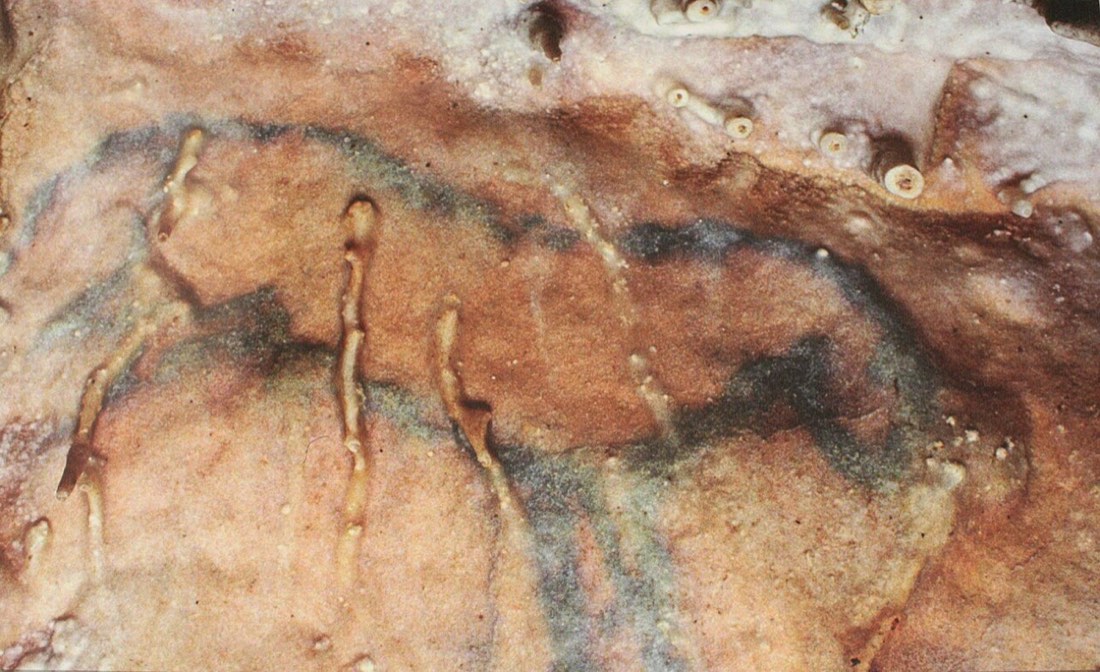
Photo Mj.galais. Cropped by User:Andrew Dalby · CC BY-SA 3.0 · Wikimedia Commons The Villars caves, discovered in 1953 in the Dordogne, France, offer a captivating experience in an underground world of exceptional beauty. They feature an impressive variety of geological formations such as stalactites, stalagmites, columns and draperies, the result of millions of years of natural evolution. The caves are also decorated with prehistoric paintings from the Upper Palaeolithic, adding a fascinating historic dimension to the visit. Guided tours let visitors admire these underground wonders safely while learning more about their geological formation and prehistoric history. The Villars caves are a must for lovers of nature, history and discovery.
Opening times (new tab) -
Beaussac Caves
Mareuil en Périgord · 116 km from the villa
Discovered in 1904, with an impressive variety of geological formations
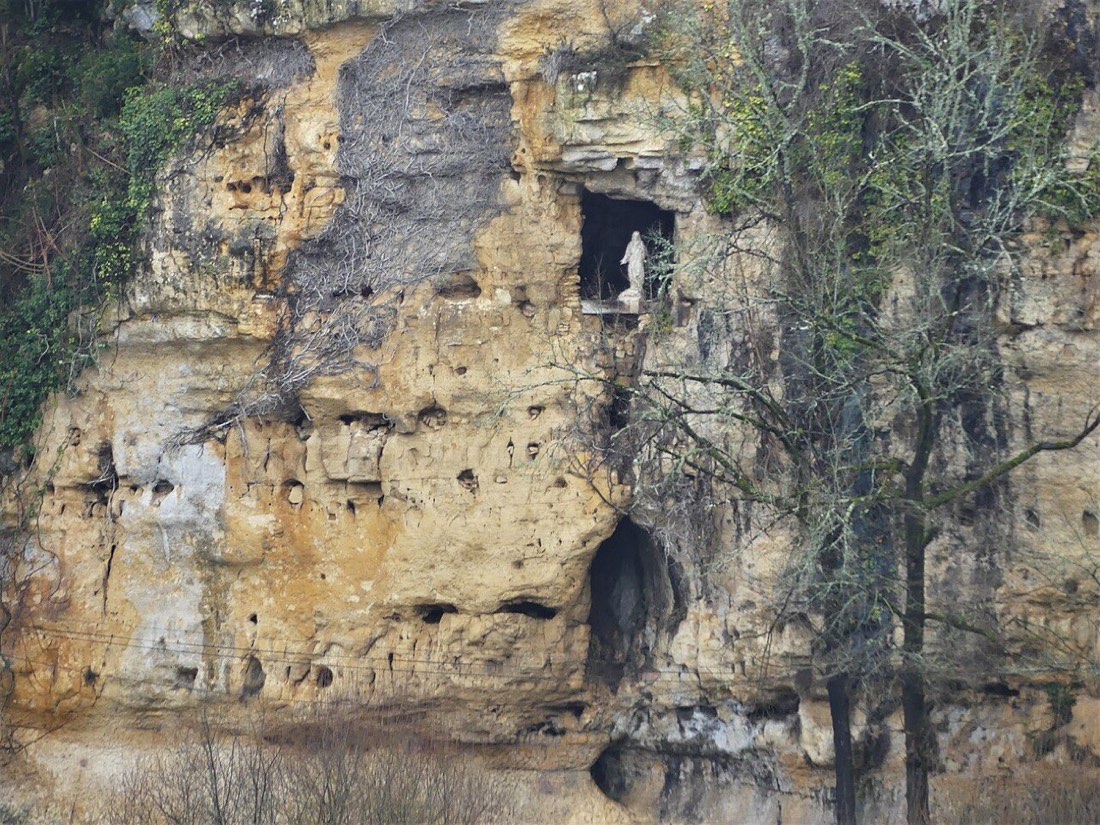
Photo Père Igor · CC BY-SA 4.0 · Wikimedia Commons The Beaussac caves, in the Dordogne, France, offer a captivating experience in a fascinating underground world. Discovered in 1904, they feature an impressive variety of geological formations such as stalactites, stalagmites and petrified waterfalls. As well as their natural beauty, the caves are rich in archaeological remains, evidence of prehistoric human occupation of the region. Guided tours let visitors explore these underground wonders safely while learning more about their history and geological formation. The Beaussac caves are a must for lovers of nature and history in search of hidden treasures.
Opening times (new tab)
Keep exploring.


 Book your stay
